
The Future of Blender: Spencer Magnuson on Ton’s Legacy, AI, and the Value of Struggle
Nov 5th 2025
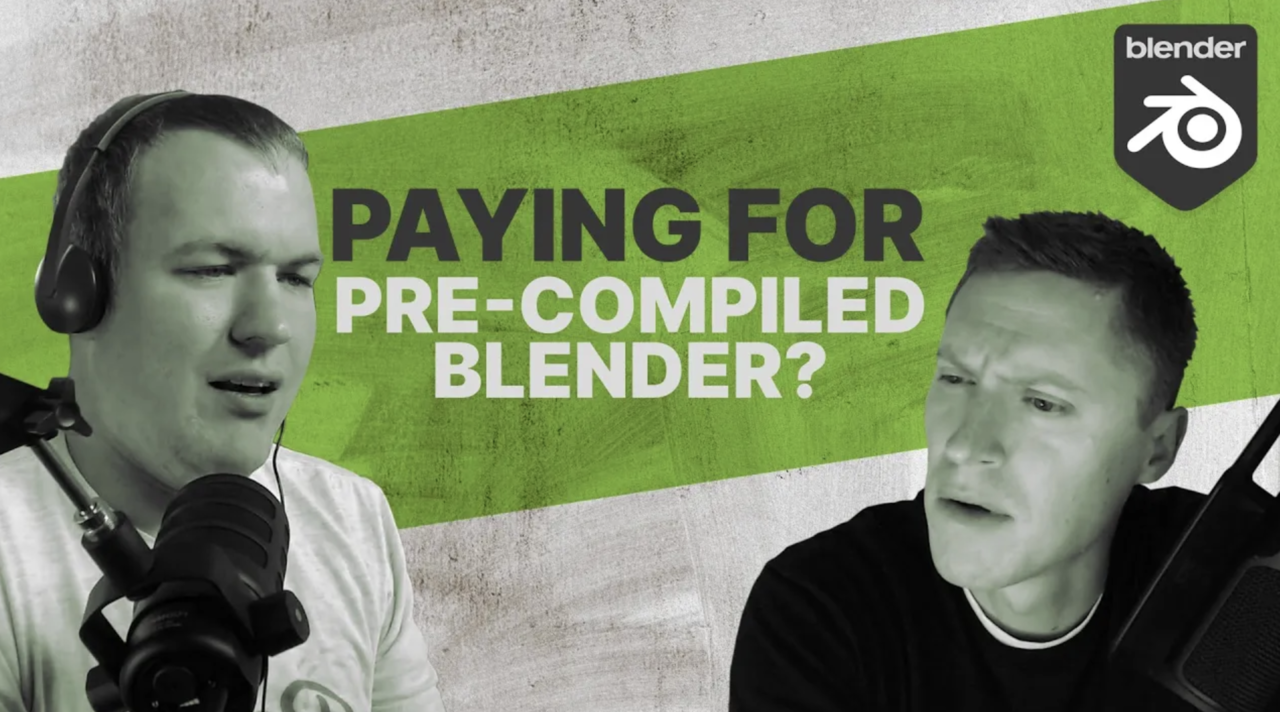
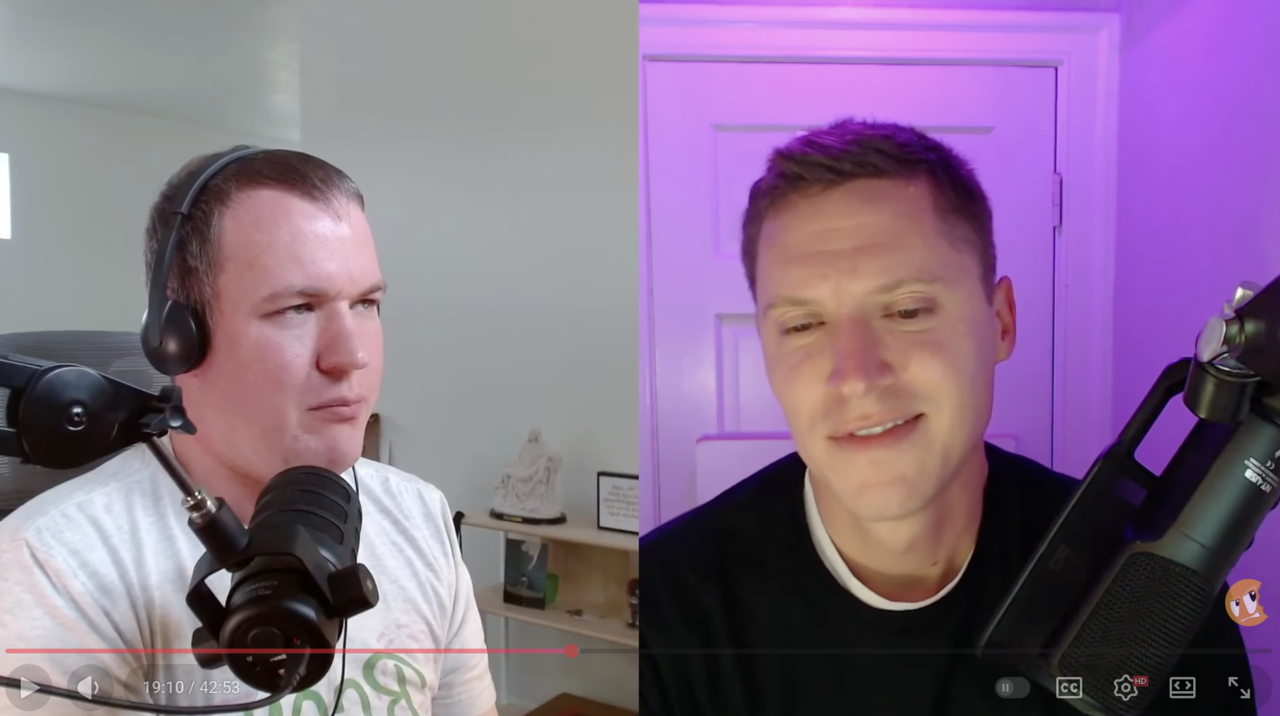
Recently, Kent Trammell (Director of Education here at Autotroph) sat down with Spencer Magnuson, Blender enthusiast, instructor, add-on developer, and pipeline engineer at DreamWorks Animation, to talk about what’s next for Blender and what Ton Roosendaal’s retirement means for the community.
Spencer has this rare mix of technical and artistic brainpower. He writes Blender add-ons, teaches scripting with CG Cookie, and still approaches 3D like a craftsman: thoughtful, curious, and deeply human about the process.
Their conversation went places that matter to a lot of us in the Blender world: open source, AI, artistic struggle, and why Blender’s culture feels different.
On Ton’s Retirement and the Future of Blender
The big moment from Blender Conference 2025 was, of course, Ton’s announcement that he’s stepping back. For many of us, it’s hard to picture Blender without him at the helm, he’s been the face and spirit of the project for decades.
But Spencer didn’t seem worried.
“I’ve been keeping tabs a little bit, so it wasn’t much of a surprise,” he said. “Ton had talked about wanting to make sure Blender never halted because of his health. I’ve met Francesco, and I’ve seen how he works. I have no worries.”
That calm confidence sums up how a lot of us feel. Francesco Siddi has already proven himself, leading with steady direction while keeping Blender’s open-source heart intact.
And when the old “Blender is going to become paid” rumor came up, Spencer didn’t mince words:
“Legally, I don’t think Blender could just switch to being paid. They’d have to branch off, like a new version entirely. And even then, the community would keep the open-source one alive. It’s very unlikely.”
For a project built on openness and community trust, that reassurance matters. Blender’s most powerful feature has always been its people.
Open Source as a Mindset
Spencer’s day job at DreamWorks is as a pipeline engineer, which means he helps keep the gears of massive productions running smoothly. “There’s nothing on screen that you see that’s me,” he said, “but I make sure it’s smooth for all the artists who do get their stuff on screen.”
That humility fits the Blender mindset perfectly, solving problems, not chasing the spotlight. ❤️
When we talked about Blender’s evolution, Spencer pointed out that the open-source structure isn’t just a legal framework; it’s a way of thinking.
“Even if you can’t do it with an add-on, you can still download the Blender source code and implement the feature yourself. It’s incredibly accessible. That’s what keeps it exciting for me.”
That openness fuels creativity, but it also creates responsibility. Blender isn’t just a product, it’s a collaboration between developers, educators, and artists.
On AI and the Blender Development Road Ahead
Of course, no modern conversation about software is complete without AI coming up. Spencer’s take was refreshingly level-headed.
“Blender already uses AI, things like Open Image Denoise, but the developers are smart about only using it where it makes sense,” he said. “They’re not chasing buzzwords.”
He brought up the legal mess around AI training data and the GPL license that governs Blender. The short version? You can’t just drop in proprietary AI systems like NVIDIA’s DLSS without opening a legal can of worms.
So while AI will inevitably influence Blender, Spencer trusts the dev team to move carefully and thoughtfully.
“They’ll use it where it actually helps, not just because it’s trendy.”
The Difficulty Is the Point
Towards the end of their chat, Kent and Spencer dug into something that goes deeper than tech: the value of struggle.
We live in a time when every new add-on or AI model promises to make 3D “easier.” But Spencer and Kent argue that friction is a key part of what makes the craft meaningful.
“3D being a challenge, a craft that takes a lot of time and knowledge, that’s what makes it compelling and satisfying,” Kent said. “You have to be okay with that process. The art is worth wasting time on,” Spencer responds.
That line stuck with me. The art is worth wasting time on.
As tools evolve, it’s easy to chase convenience, but the Blender spirit has always been about curiosity over shortcuts, embracing the grind, the tinkering, the learning curve. That’s what separates Blender artists from people who just push buttons.
A Call for Wisdom in the Blender Community
Kent wrapped up with a thought that hits home for us at CG Cookie:
“There’s so much knowledge out there now, countless tutorials and courses. But what we need is more wisdom. It’s not just about knowing tools; it’s about understanding when and why to use them.”
That’s the kind of perspective that reminds us why we do what we do. Blender doesn’t just need more lessons; it needs more conversation, reflection, and stories from the people who live it every day.
Wrapping Up
Ton’s stepping back, Francesco’s stepping forward, AI is knocking at the door, and through it all, Blender’s community remains its heartbeat.
Spencer’s words were a reminder that the future of Blender isn’t about making everything easier. It’s about keeping it open, challenging, and human, the way it’s always been.
If you haven’t yet, check out Spencer’s course Utility on CG Cookie. It’s a great intro to scripting in Blender and a window into how technical thinking can make you a stronger artist.
And if you’re feeling that mix of excitement and uncertainty about where Blender’s headed, same here. But listening to people like Spencer reminds us that there are always reasons to be positive about the future and our place in it.
Thanks for reading!
Kent
