

I started experimenting with "low-key" lighting in the CORE v2 lighting course before actually watching the video and learning that it doesn't refer to lighting that is physically lower than the subject, and ended up with what I think would be called "cross-key from below". This also led into learning how to use mattes and compositing to remove bounce lighting.
Model is my final from the PRESS START course.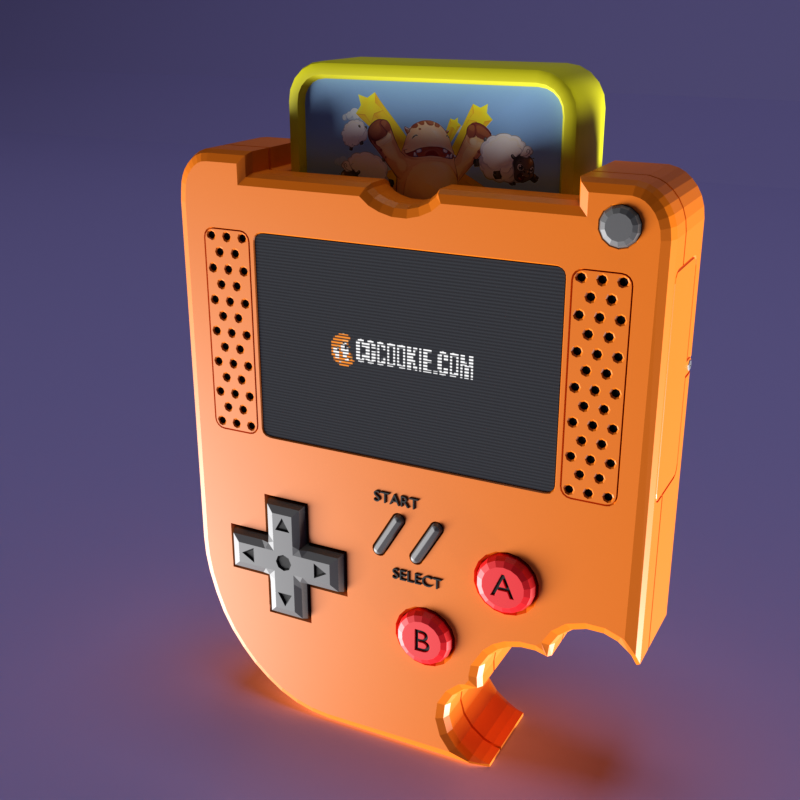
Using shadow linking it's possible to have the under lights shine thru the floor in a non-physical way.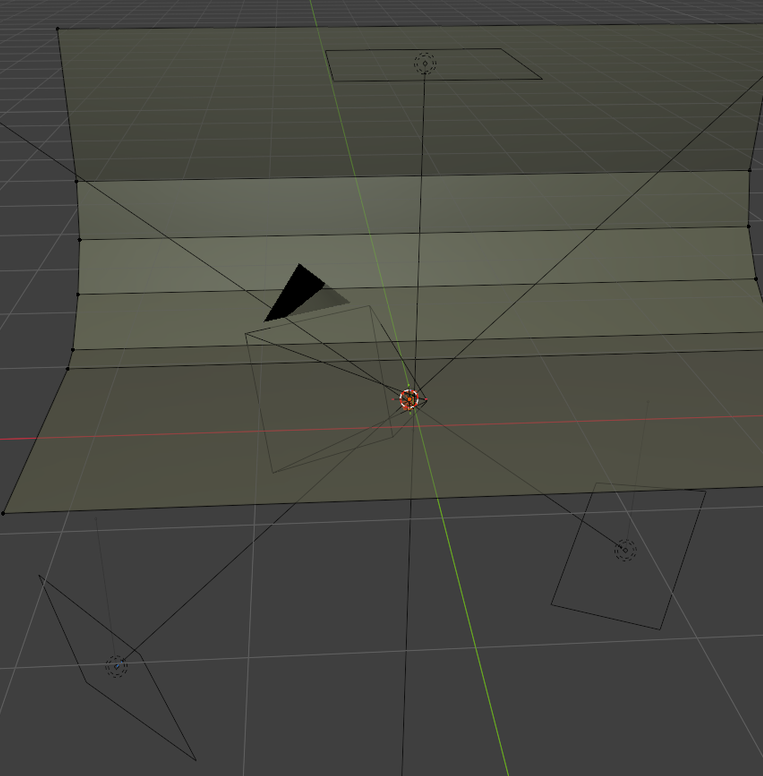
I wondered, what if I wanted to remove the strong bounce lighting? Bounce lighting doesn't seem to link back to its originating light group, but having also just been introduced to compositing from that course I was able to get that to work by combining the fill and key lights on the subject but only have fill on the background, and combine them with a matte.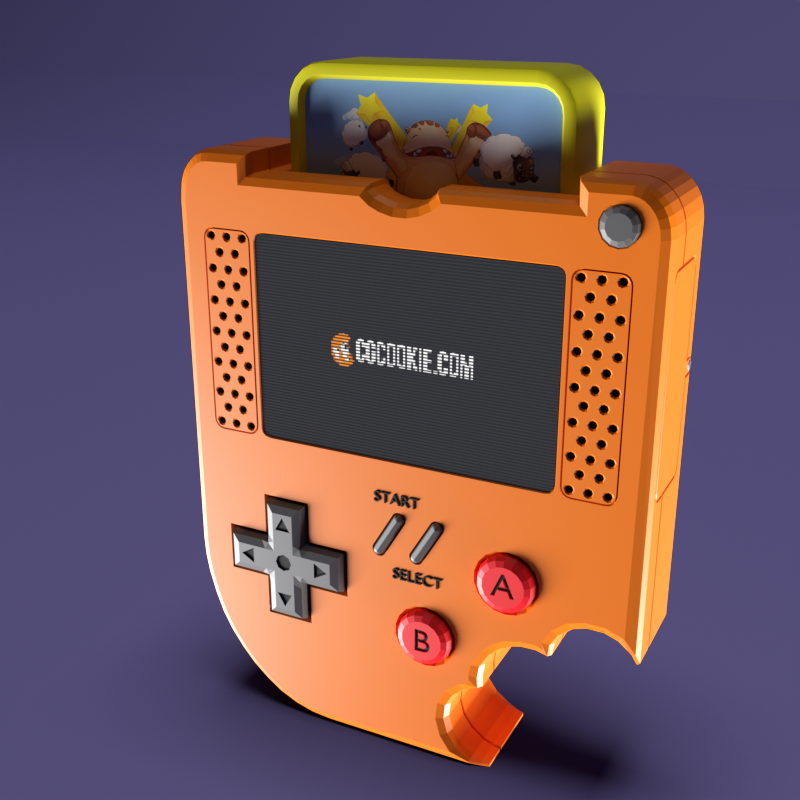
At first I tried object index, but that produced dark edges because it's 1 bit. Then I found out about cryptomatte, which is alpha based. This improved the edges but not completely, until I learned that for disjoint layers like this you need to set Alpha Over to Disjoint Over.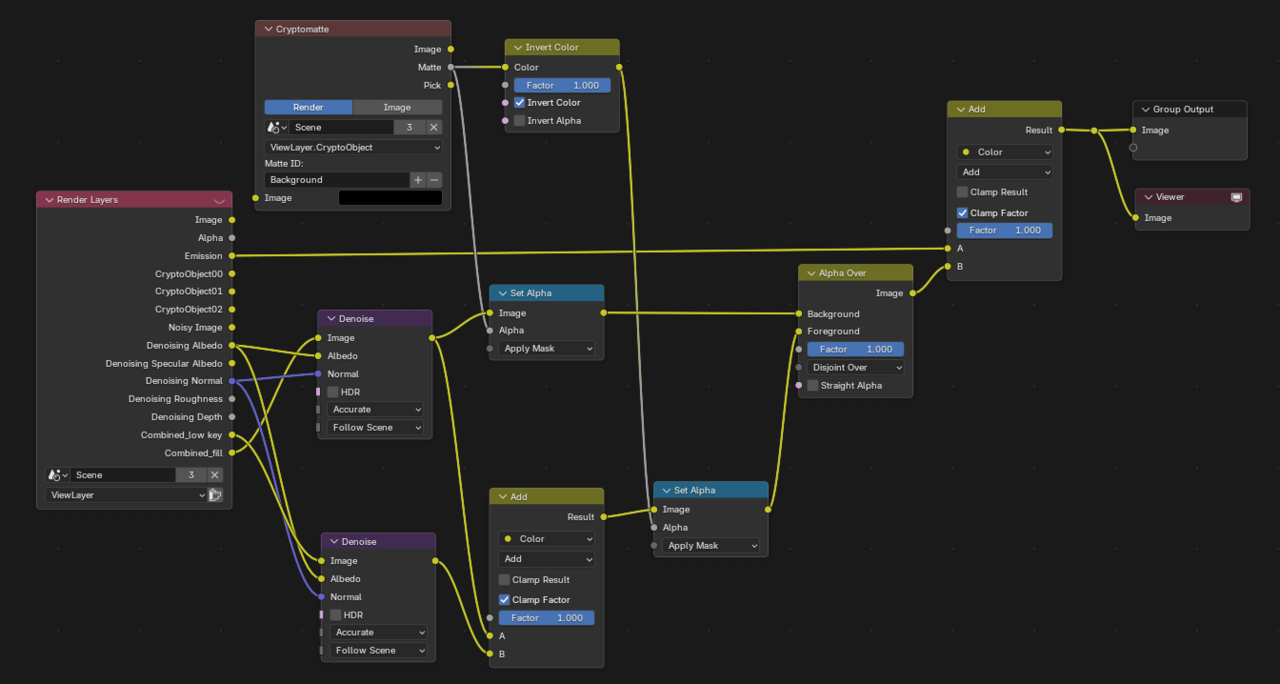

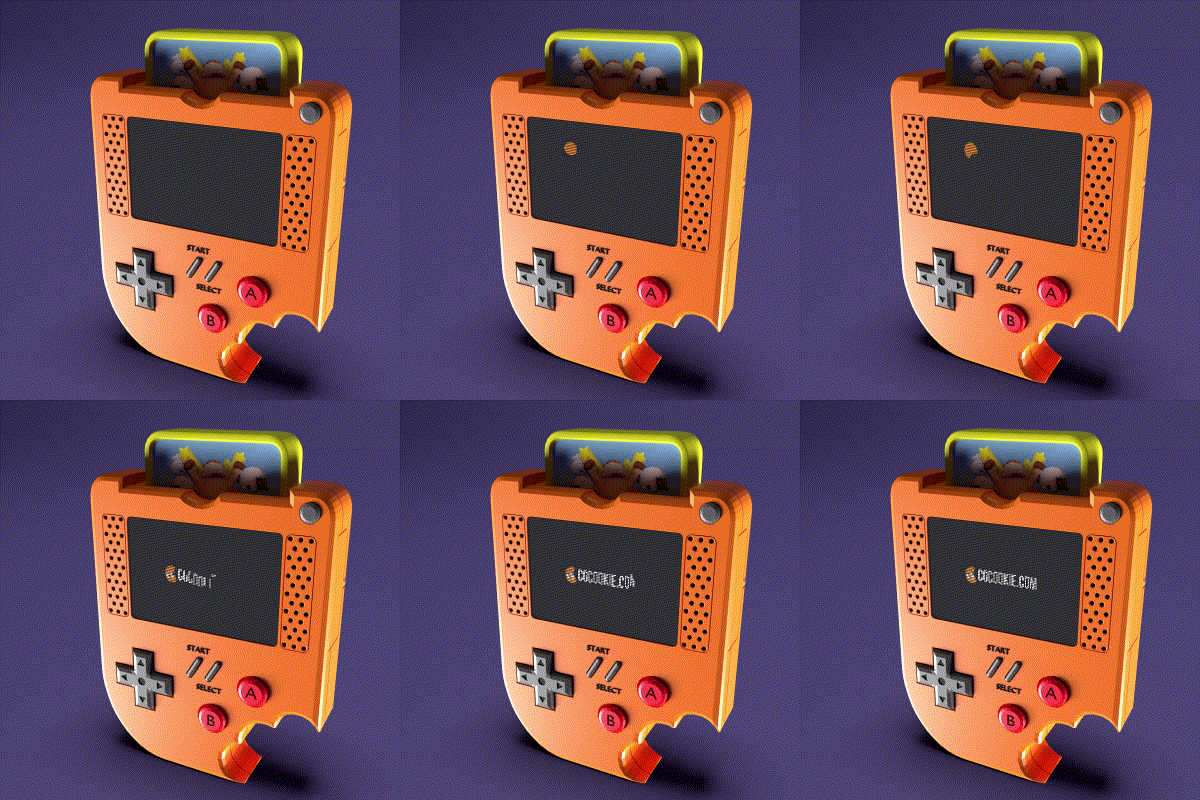
I was able to get it animated in less than a day on my CPU-rendering-only potato workstation at the original resolution (compressed here to a gif to post) by first rendering the 1024 spp base, without emissions, then using that as a background image for an emissions-only animation rendering pass with all the non-emission lighting disabled: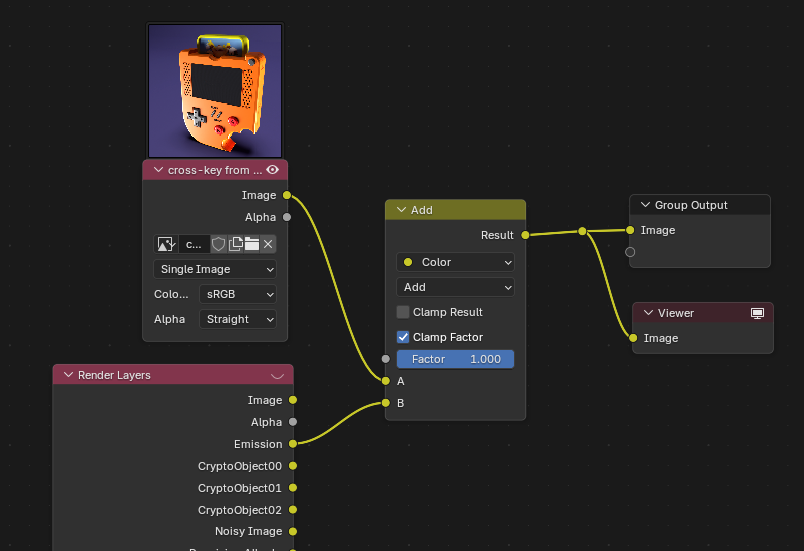
Primary ray emissions are a special case in ray traced rendering because the sample can just directly read the surface emission. So, screen quality indistinguishable from the 1024 spp full render is achievable with 1 spp, allowing the 120 frames to be made very quickly.
Not something that can really be generalized because several things had to align for this to be possible, which is static camera, all animation existing only in an emissive texture, and no bounce lighting from those emissions. But those did apply here, so there you go.
Also, CGCookie should consider adding support for .webp. My first rendering of this animation I was going to post here had 4x the pixels, less noise, and had less than 1/3rd the file size than this gif version.
